
Eczema Healing Timeline: Why Skin Often Gets Worse Before It Gets Better
Mar 12, 2026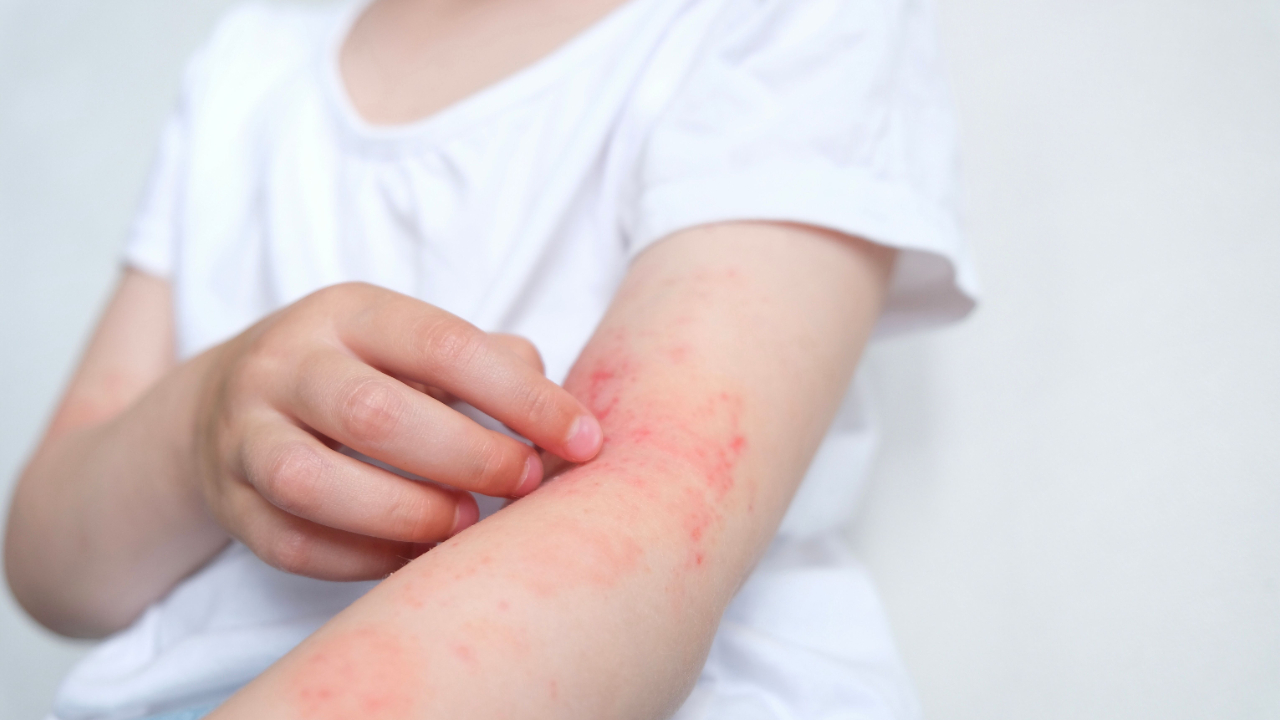
Introduction
One of the most confusing parts of managing childhood eczema is how unpredictable healing can look.
A child’s skin may improve for several days — only to suddenly appear red, dry, or irritated again. Many parents interpret this as a setback or a sign that their routine isn’t working.
But in most cases, this pattern is completely normal.
Skin healing is rarely a straight line. Instead, it often follows a pattern of improvement, pauses, and gradual progress as the skin barrier rebuilds itself.
Understanding this process can reduce panic, prevent unnecessary changes to treatment routines, and help parents support the skin’s natural recovery.
The Skin Barrier Takes Time to Rebuild
When eczema flares occur, the skin barrier becomes compromised.
Healthy skin functions like a protective wall. It prevents moisture loss and blocks irritants, allergens, and bacteria from entering the skin.
But during eczema flares, this barrier becomes damaged. Tiny microscopic gaps form between skin cells, allowing water to escape and irritants to penetrate more easily.
Dermatologists often refer to this as barrier dysfunction.
Even after redness and inflammation calm down, the skin barrier still needs time to rebuild its structure.
This rebuilding process takes time because the skin must:
• regenerate new cells
• restore lipid layers
• repair microscopic cracks in the epidermis
• rebalance moisture levels
Research in dermatology suggests the epidermal barrier can take several weeks to fully normalize following inflammation.
Typical Skin Barrier Recovery Timeline
Recovery time varies depending on the severity and duration of the flare.
| Severity of Flare | Typical Recovery Time |
|---|---|
| Mild eczema flares | 7–14 days days to settle |
| Moderate flares | 2–3 weeks to improve |
| Chronic or thickened areas | 3–4+ weeks to rebuild |
Areas that have been repeatedly irritated may take even longer.
Common slow-healing areas include:
• wrists
• ankles
• backs of knees
• neck folds
• hands and feet
Why Skin May Still Look Irritated During Healing
Parents often worry when skin continues to appear:
• slightly pink
• dry or flaky
• textured
• sensitive to products
But these signs can simply indicate that the skin is still rebuilding its barrier.
During this phase, the skin is vulnerable and reactive. It may respond strongly to friction, sweat, temperature changes, or even previously tolerated products.
This does not necessarily mean the flare has returned.
What Normal Healing Often Looks Like
Improvement often isn’t linear. A more typical pattern looks like:
improvement → plateau → improvement
For example:
| Timeline | What You Might See |
|---|---|
| Day 1–4 | Redness decreases and itching improves |
| Day 5–7 | Skin may look dry or slightly irritated again |
| Day 8–14 | Texture softens and irritation gradually decreases |
This fluctuation is common during barrier rebuilding.
Not Sure What Stage Your Child's Skin Is In?
Knowing that eczema healing isn’t linear is one thing. Knowing what to do when the skin changes is another.
Inside The Early Eczema Care Method™, I teach you how to recognize your child’s skin state, understand what it needs at each stage, and know when it’s ready to move from CALM → REPAIR & SEAL → MAINTAIN.
So instead of wondering whether the redness, dryness, or flaking means you should change course, you’ll have a framework for knowing when to stay the course and when to adjust.
Learn more about The Early Eczema Care Method™ →
Why Consistency Matters More Than Perfection
When parents see temporary changes in the skin, it’s natural to want to switch products or routines immediately.
However, frequent changes can sometimes interrupt the healing process.
The skin barrier responds best to consistent care over time.
Sticking with a structured routine — and allowing enough time for barrier recovery — often produces better long-term results than constant adjustments.
When to Seek Medical Guidance
Parents should contact a pediatrician or dermatologist if:
• skin becomes increasingly red or swollen
• oozing or crusting develops
• signs of infection appear
• itching becomes severe or disruptive to sleep
These symptoms may require medical treatment.
Helpful Resources
American Academy of Dermatology
National Eczema Association
American Academy of Pediatrics
These organizations provide evidence-based information about eczema management and skin barrier function.
Final Thoughts
Eczema healing rarely happens overnight.
Skin can look better, then drier. Redness can fade while texture remains. A rough patch doesn’t automatically mean you’re back at the beginning.
The skill is learning how to read those changes.
That’s what I teach inside The Early Eczema Care Method™: how to recognize where your child’s skin is in the process, what to do at that stage, and when it’s ready for the next one.
Understanding these changes can help you stay calm, avoid unnecessary routine changes, and support your child’s skin as it gradually recovers.